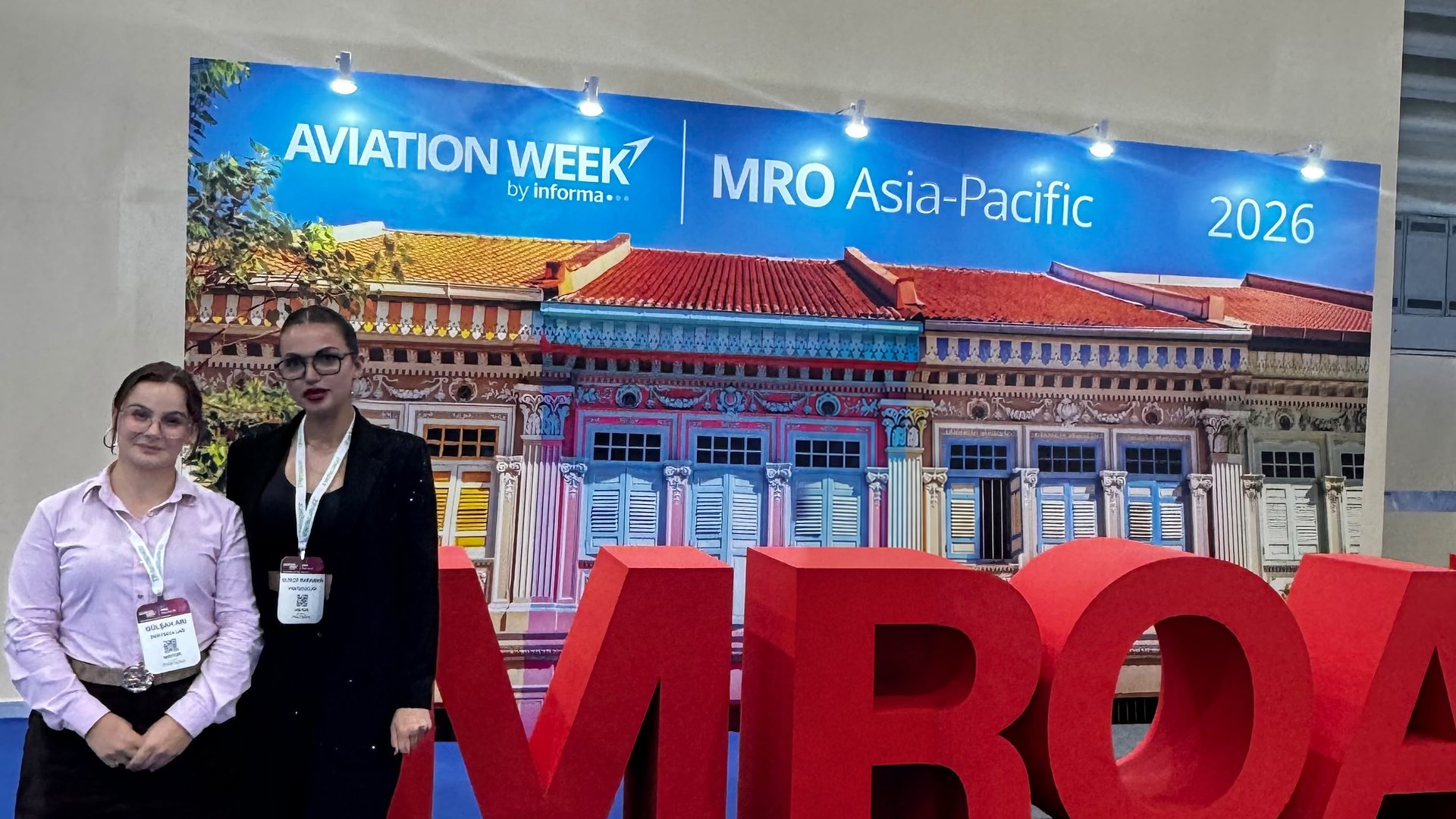
MRO Asia-Pacific is the region’s largest aviation maintenance, repair and overhaul event. The 2026 edition took place from 22 to 24 September at Singapore EXPO, and PartsCollab was there, represented by our Key Account Managers Burçe Karaman and Gülşah Arı. The programme combined a conference on 22–23 September with an exhibition on 23–24 September.
Bringing together airlines, maintenance providers, equipment manufacturers, lessors and suppliers, MRO Asia-Pacific provides a meeting point for the aviation aftermarket. Its exhibition, conference sessions and networking activities create opportunities to explore technology, exchange industry perspectives and develop business relationships.
Key Takeaways from MRO Asia-Pacific 2026
PartsCollab’s conversations with suppliers, buyers and airlines highlighted recurring priorities across the aviation supply chain: easier inventory and capability sharing, simpler aircraft parts sourcing and connected procurement workflows. Participants showed particular interest in uploading lists through a straightforward drag-and-drop chat interface. Bringing sourcing activities together through to shipment tracking also attracted attention. Ease of use was a consistent theme in the feedback on PartsCollab’s AI-supported approach. These discussions reinforced the value of accessible sourcing tools and opened opportunities for collaboration across markets.
For PartsCollab, the event was an opportunity to connect with industry professionals, demonstrate our AI-supported platform and learn more about the workflows behind aircraft parts sourcing. Our conversations focused on practical priorities: making inventory easier to share, connecting procurement activities and supporting efficient maintenance operations.

Starting the Conversation Before Singapore
Our preparations began before the event. Through the official networking application, we introduced PartsCollab to prospective contacts and arranged meetings with suppliers, companies involved in both buying and selling aircraft parts, and airlines.
This early outreach gave each meeting a clear starting point. Participants had already received an introduction to PartsCollab, allowing us to use our time together to explore the platform and discuss its relevance to their teams.
The resulting conversations brought together perspectives from different markets and different parts of the aviation supply chain.
Bringing PartsCollab to Life in a 20-Minute Meeting
Our scheduled meetings typically lasted around 20 minutes. Each began with a short introduction to PartsCollab and its AI-supported approach, followed by a demo video on a laptop.
The demonstration gave participants a concrete view of the platform and how they could interact with it. It also created a natural opening for questions about everyday use and opportunities for a more detailed walkthrough.
Ease of use was a recurring point of interest. Participants responded positively to the straightforward interface and the prospect of a system that different team members could readily use.
For us, that feedback made usability one of the clearest themes of the event.
Making Inventory and Capability Lists Easier to Share
One feature that attracted particular interest was the ability to upload inventory and capability lists directly through the chat interface. PartsCollab allows aviation suppliers and MROs to upload inventory and capability lists through a conversational interface, making the information searchable within the marketplace.
We demonstrated how users can drag and drop files into PartsCollab, with support for different formats, and make their listings available on the marketplace. This simple interaction helped participants picture how they could begin sharing their stock or service capabilities through the platform.
The discussion connected a product feature to a familiar business activity: presenting available parts and capabilities to potential buyers. Participants were especially interested in how approachable that process could be.
Connecting Aircraft Parts Sourcing Through to Shipment Tracking
Another point of interest was the ability to bring sourcing activities together in one platform, extending through to shipment tracking. PartsCollab connects aircraft parts discovery, requests for quotation (RFQs), supplier collaboration and shipment visibility within a single aviation sourcing environment.
During our meetings, we discussed how PartsCollab could support a connected working environment for teams involved in aircraft parts procurement. Participants were interested in the broader journey, from sharing inventory to following the progress of a shipment.
That wider view gave the demonstrations practical context. It allowed us to discuss individual features as part of an ongoing workflow and explore how the platform could fit into each company’s operations.
Exploring Priorities Across the Aviation Supply Chain
Alongside the demonstrations, our conversations covered maintenance efficiency, spare parts and equipment procurement, and opportunities to support operational continuity across the aviation supply chain.
We also exchanged views on customer needs, industry developments and potential business opportunities. These discussions helped us understand which topics participants wanted to explore further and where a more detailed product conversation would be useful.
Meeting companies from different regions was particularly valuable. It gave us the opportunity to strengthen existing connections and begin new relationships around shared operational interests.

Turning Introductions into Deeper Discussions
The meetings in Singapore established a foundation for continued dialogue. Following our scheduled conversations, we arranged longer online sessions to introduce PartsCollab in greater detail and make room for technical questions.
These follow-up meetings are an opportunity to move from an initial demonstration to a closer discussion of each company’s workflows and requirements. They also allow participants to explore the features that attracted their attention during the event.

For PartsCollab, one of the most meaningful outcomes of MRO Asia-Pacific 2026 was the opportunity to build relationships across markets and identify possibilities for future collaboration.
We returned with a clear focus for those conversations: accessible software, simpler inventory sharing and a connected approach to aircraft parts sourcing.
Frequently Asked Questions
What is MRO Asia-Pacific?
MRO Asia-Pacific is a regional event for the aviation maintenance, repair and overhaul industry. It brings together airlines, maintenance providers, equipment manufacturers, lessors and suppliers through an exhibition, conference sessions and networking activities. The 2026 edition took place at Singapore EXPO from 22 to 24 September, providing opportunities to explore technology, discuss aviation supply chain priorities and develop business relationships.
What aviation supply chain trends emerged at MRO Asia-Pacific 2026?
In PartsCollab’s meetings at MRO Asia-Pacific 2026, recurring themes included accessible software, easier inventory and capability sharing, and connected aircraft parts sourcing workflows. Suppliers, buyers and airlines showed interest in a simple upload process and visibility extending through to shipment tracking. These conversations highlighted practical opportunities to support maintenance efficiency and strengthen collaboration across the aviation supply chain.
How can AI support aircraft parts sourcing?
AI can support aircraft parts sourcing by turning inventory and capability lists into structured, searchable information. This helps procurement teams discover relevant parts and services and gives suppliers a practical way to present their offerings. In PartsCollab, AI-supported procurement brings data processing into connected sourcing workflows. During our event demonstrations, participants responded particularly positively to the approachable interface and ease of use.
How does PartsCollab help suppliers share aircraft inventory?
PartsCollab allows suppliers and MROs to upload inventory and capability lists through a conversational interface. Users can drag and drop files into the chat, with support for different formats, to make the information searchable within the aviation marketplace. This inventory sharing workflow helps companies present available parts and service capabilities to potential buyers and was a particular point of interest during our meetings in Singapore.
How does PartsCollab support airlines and MRO procurement teams?
PartsCollab connects aircraft parts discovery, RFQs, supplier collaboration and shipment visibility within a single aviation sourcing environment. Airlines and MRO procurement teams can use the platform to explore available inventory and capabilities and coordinate sourcing activities. By bringing these steps together, PartsCollab supports a connected procurement workflow. A guided demo gives teams the opportunity to explore how the platform fits their operational requirements.
Explore PartsCollab with Our Team
Looking for a simpler way to source aircraft parts or make your inventory visible to aviation buyers? PartsCollab connects airlines, MROs, suppliers and distributors through AI-supported inventory discovery, RFQs and sourcing workflows. Explore PartsCollab or book a demo with our team.

